
B.Sc. Operation Theatre Technology (OTT) 2026 | Course Details
Master perioperative patient care, surgical instrumentation, and OR management with the B.Sc. OTT program. 4-year duration, high placement scope in specialty hospitals.
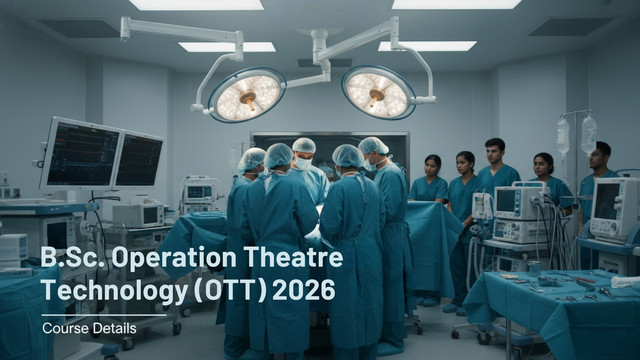
B.Sc. in Operation Theatre Technology (B.Sc. OTT) 2026: Course Details and Career Scope
1. Course Overview & Key Highlights
The Bachelor of Science in Operation Theatre Technology (B.Sc. OTT) is a comprehensive undergraduate program designed to train highly specialized allied health professionals. This 4-year course (3 academic years plus 1 mandatory rotational internship) focuses on mastering the technical and logistical aspects of the surgical environment. Graduates are equipped to manage sophisticated surgical equipment, maintain stringent infection control standards, and provide essential support to the surgical and anesthesia teams, ensuring optimal patient safety throughout the perioperative phase.
Key Highlights of B.Sc. OTT 2026
Attribute Details Official Course Name Bachelor of Science in Operation Theatre Technology (B.Sc. OTT) Course Level Undergraduate (UG) Duration 4 Years (3 Years Academic + 1 Year Internship) Eligibility Criteria 10+2 in Science stream (PCB preferred) with minimum 50% aggregate marks. Entrance Exams State/National Allied Health Entrance Examinations or Institutional Screening. Course Fees (Estimate) ₹50,000 to ₹1,50,000 per annum (Varies by Institution) Admission Process Merit-based entry followed by counselling/interview. Key Subjects Human Anatomy, Applied Anesthesia Technology, Surgical Instrumentation, Infection Control, Specialty Surgery Techniques. Examination Type Semester-wise (Theory and Practical, including Clinical Performance Ratings). Average Starting Salary (Estimate) ₹3,00,000 to ₹6,00,000 per annum (Increases with specialization). 2. Course Identity & Logistics
- Course Title: Bachelor of Science in Operation Theatre Technology (B.Sc. OTT)
- Credit Structure: Typically 140–160 total credits (including theory, practical labs, projects, and mandatory internship).
- Format: Full-time, Campus-based, with mandatory extensive clinical rotations in affiliated hospitals.
- Medium of Instruction: English
- Mode of Delivery: Blended learning approach combining didactic lectures, high-fidelity simulation training, and hands-on clinical attachments.
- Affiliation/Accreditation: Recognized by the relevant Allied Health Sciences Council and affiliated with a recognized University Grants Commission (UGC) approved university.
3. Course Description & Rationale
Summary
The B.Sc. OTT program molds students into competent Operation Theatre Technologists, crucial members of the surgical team. The curriculum is meticulously structured to provide a deep understanding of human physiology, surgical procedures, and the complex technology utilized in modern operating rooms. Students learn everything from preparing the patient and sterilizing instruments to assisting the surgeon and anesthetist during critical procedures, focusing heavily on maintaining the sterile field.
Curriculum Context and Industry Relevance (2025 Trends)
The modern surgical landscape is characterized by minimally invasive procedures and high-tech equipment (robotics, advanced imaging). This program addresses the critical need for technical staff who can manage these complex systems efficiently and ensure zero tolerance for infection. Our Unique Selling Proposition (USP) is a strong emphasis on specialized surgical domains (e.g., Cardiothoracic, Neuro, and Orthopedics) starting early, preparing graduates for high-demand roles in super-specialty hospitals.
Target Audience
This course is ideal for motivated 10+2 Science stream graduates who possess a keen interest in medical technology, precision, patient safety, and working collaboratively in high-pressure, dynamic environments like an operating theatre.
4. Prerequisites & Eligibility
Academic Prerequisites
- Successful completion of the 10+2 (or equivalent) examination.
- Core subjects must include Physics, Chemistry, and Biology (PCB).
- A minimum aggregate score of 50% (or equivalent GPA) in the qualifying examination.
Selection Process
Admission is typically merit-based, often requiring candidates to clear a competitive State/National Allied Health Entrance Examination or undergo a rigorous institutional screening and interview process.
Health Requirements
Candidates must submit a mandatory medical fitness certificate confirming suitability for demanding clinical work, including necessary immunizations and assessments (e.g., color vision).
5. Learning Objectives
Upon successful completion of the B.Sc. OTT course, students will be able to:
- Define: Precisely articulate the anatomical structures, physiological processes, and pharmacological principles relevant to surgical procedures and anesthesia.
- Apply: Execute standard aseptic techniques, scrubbing procedures, and advanced sterilization protocols (e.g., high-level disinfection and autoclaving) with mastery.
- Analyze: Critically assess the surgical field, anticipate the specific instrumentation and supply needs of the surgical team, and manage emergency situations swiftly.
- Evaluate: Critically evaluate the functionality of complex surgical and anesthetic equipment (ventilators, monitors, C-arms) and perform basic troubleshooting steps.
- Create: Develop and implement efficient inventory control systems, maintain accurate perioperative documentation, and adhere to global patient safety and ethical standards.
6. Course Materials
Required Textbooks
- Textbook of Operation Theatre Technology by N. P. S. Virdi (Core OT Principles)
- Ross and Wilson Anatomy and Physiology in Health and Illness (Foundational Anatomy)
- Clinical Microbiology and Infection Control for Allied Health Professionals
- Pharmacology for Operation Theatre Technicians
Reference Materials
- Access to institutional Learning Management System (LMS) for course modules and assignments.
- Subscription access to peer-reviewed journals (e.g., AORN Journal, Journal of Allied Health Sciences).
- Comprehensive clinical logbooks and standardized procedure checklists (SOPs).
Simulation & Practical Resources
Students will utilize dedicated high-fidelity surgical simulation labs, skills stations, and extensive surgical video libraries to practice complex procedures before clinical deployment.
7. Detailed Syllabus & Module Breakdown
Phase I: Foundations (Year 1)
Objective: Establish core vocabulary, scientific principles, and basic infection control practices necessary for hospital work.
- Module 1: Human Anatomy and Physiology: Detailed study of organ systems relevant to common surgeries.
- Module 2: General Pharmacology and Microbiology: Introduction to drug classifications, administration routes, and fundamental infection control principles.
- Module 3: Medical Physics and Instrumentation: Understanding electricity, mechanics, and basic operation of medical equipment (monitors, suction apparatus).
- Module 4: Practical Skills & Patient Care: Basic First Aid, CPR certification, Hospital Administration basics, and principles of sterilization (autoclaving and chemical methods).
Phase II: Application & Core Concepts (Year 2)
Objective: Practical application of theories; mastering core OT techniques and assisting in general surgical procedures.
- Module 5: Operation Theatre Techniques (Core): Scrubbing, Gowning, Draping procedures, sterile field maintenance, and instrument identification.
- Module 6: Applied Anesthesia Technology: Monitoring patient vital signs, assisting in intubation, handling anesthesia machines, and understanding anesthetic agents.
- Module 7: Surgical Procedures I: Detailed study of General Surgery, Obstetrics & Gynecology, and Urology procedures and required setups.
- Module 8: Clinical Integration: Applied Pathology, Documentation, and Advanced Record Keeping (electronic and manual).
Phase III: Advanced & Specialization (Year 3 + Internship Year 4)
Objective: Advanced complexity, specialized surgical support, management skills, and mandatory clinical synthesis.
- Module 9: Advanced OT Techniques for Specialty Surgery: Detailed setups for Cardiothoracic, Neuro, Orthopedics, and Plastic Surgery.
- Module 10: Advanced Equipment Management: Maintenance, troubleshooting, and calibration of specialized equipment (e.g., C-arms, endoscopes, harmonic scalpels).
- Module 11: Management and Quality Assurance: Inventory logistics, Quality Control (QC) in the OT, Medico-legal standards, and Disaster Management planning.
- Module 12: Capstone Project & Internship: Mandatory rotational clinical internship across all major specialties (full-time practical work) and submission of a research project/dissertation.
8. Assessment & Grading Scheme
The assessment structure ensures continuous evaluation of both theoretical knowledge and practical clinical competence.
Assessment Distribution
| Assessment Component | Weightage | Description |
|---|---|---|
| Internal Assessment (IA) | 40% | Mid-semester exams, assignments, practical viva, and Clinical Performance Ratings (CPRs). |
| External Assessment (EA) | 60% | End-of-semester written theory examinations and comprehensive practical examinations (OSCE/OSPE format). |
| Final Internship Evaluation (Year 4) | Pass/Fail | Comprehensive evaluation of clinical skills, professionalism, and logbook maintenance. |
Passing Criteria
Students must achieve a minimum of 50% marks in the Internal Assessment and 50% marks in the External Assessment (Theory and Practical components) separately in each subject to be eligible for promotion to the next academic year.
9. Course Policies
- Academic Integrity: The institution enforces a strict zero-tolerance policy regarding plagiarism, cheating, and unauthorized use of course materials. Violations will result in disciplinary action, including failure in the course.
- Attendance Requirements: Mandatory 75% attendance is required for theory classes and a minimum of 90% attendance is compulsory for all clinical postings and practical labs to qualify for the end-semester examinations.
- Late Submissions Policy: Assignments submitted after the specified deadline may incur grade penalties (e.g., 10% deduction per day late) or may not be accepted, depending on the module instructor.
- Professionalism & Clinical Conduct: Students must adhere strictly to the hospital dress code, maintain patient confidentiality (HIPAA/local standards), and uphold the highest ethical standards during all clinical rotations.
- Clinical Rotation: The mandatory internship year requires students to comply with hospital rotational schedules, which may include evening, night, and weekend shifts.
10. Career Scope & Certification
Certification Details
Upon successful completion of all academic requirements and the mandatory 1-year internship, graduates are awarded the Bachelor of Science in Operation Theatre Technology (B.Sc. OTT) degree. Graduates are typically eligible for registration with the relevant state or national Allied Health Council, which is often mandatory for practice.
Key Skills Acquired
- Technical Skills: Aseptic technique mastery, surgical instrument sterilization, advanced equipment handling (laparoscopes, cautery units), and patient monitoring.
- Soft Skills: Critical thinking, teamwork, rapid decision-making under pressure, excellent communication, and professional ethics.
Primary Job Roles and Salary Projection
| Job Role | Description | Average Starting Salary (Annual, INR) |
|---|---|---|
| Operation Theatre Technologist (OTT) | Managing the surgical environment, assisting the scrub nurse, preparing instruments, and maintaining sterile conditions. | ₹3,50,000 – ₹5,50,000 |
| Anesthesia Technician Assistant | Assisting the anesthetist with pre-operative checks, preparing the anesthesia machine, and monitoring the patient during surgery. | ₹3,00,000 – ₹4,50,000 |
| Medical Equipment Sales Specialist | Working for medical device companies, providing technical support and training to hospital staff on surgical equipment. | ₹4,00,000 – ₹7,00,000 + Incentives |
| Sterilization and CSSD Manager | Overseeing the Central Sterile Supply Department (CSSD) and ensuring all instruments meet high-level disinfection standards. | ₹4,50,000 – ₹6,50,000 |
Further Studies Recommendations
Graduates are eligible to pursue higher education, including:
- M.Sc. in Operation Theatre Technology
- Master of Hospital Administration (MHA)
- M.Sc. in specialized Allied Health fields (e.g., Cardiac Technology, Critical Care)
11. FAQs (Frequently Asked Questions)
Q: How does the B.Sc. OTT course differ from a B.Sc. in Nursing?
A: B.Sc. Nursing is a broader patient care degree focused on bedside care, medication administration, and overall patient management. B.Sc. OTT is a specialized technical degree focused exclusively on the perioperative environment, instrumentation, sterility, and assisting the surgical and anesthesia teams. While both are crucial, their roles are distinct and non-interchangeable.
Q: What is the admission process for the B.Sc. OTT program?
A: The process typically involves three steps: 1) Meeting the minimum academic eligibility (10+2 PCB 50%), 2) Qualifying a state or institutional entrance examination, and 3) Participating in a mandatory counseling or interview session for final seat allocation.
Q: When does active clinical exposure begin in the course structure?
A: Basic observation and simulation training start immediately in Year 1 to familiarize students with the sterile environment. However, active, hands-on participation and specialized rotations begin in Year 2, culminating in the mandatory, full-time rotational clinical internship during Year 4.
Q: Are there global career opportunities available for B.Sc. OTT graduates?
A: Yes. Skilled surgical support staff are in high demand internationally, particularly in the Middle East, North America, and parts of Europe. While the B.Sc. degree is recognized, graduates must typically clear local licensing and registration exams specific to the destination country (e.g., credentialing exams).
Q: What is the typical fee structure and return on investment (ROI)?
A: Course fees generally range from ₹50,000 to ₹1,50,000 per year. Given the high demand for specialized technologists in super-specialty hospitals and the competitive starting salaries (₹3L to ₹6L p.a.), the return on investment is considered favorable, especially when pursuing specialization.