
Top B. Pharma Colleges in India 2026: Rankings, Fees, & ROI Guide
Find the definitive list of Top B. Pharma Colleges in India for 2026. Detailed rankings, projected NIRF scores, eligibility criteria, fees, and career ROI analysis.
The Definitive List: Top B. Pharma Colleges in India for 2026 – Rankings, Fees, and Admissions Guide
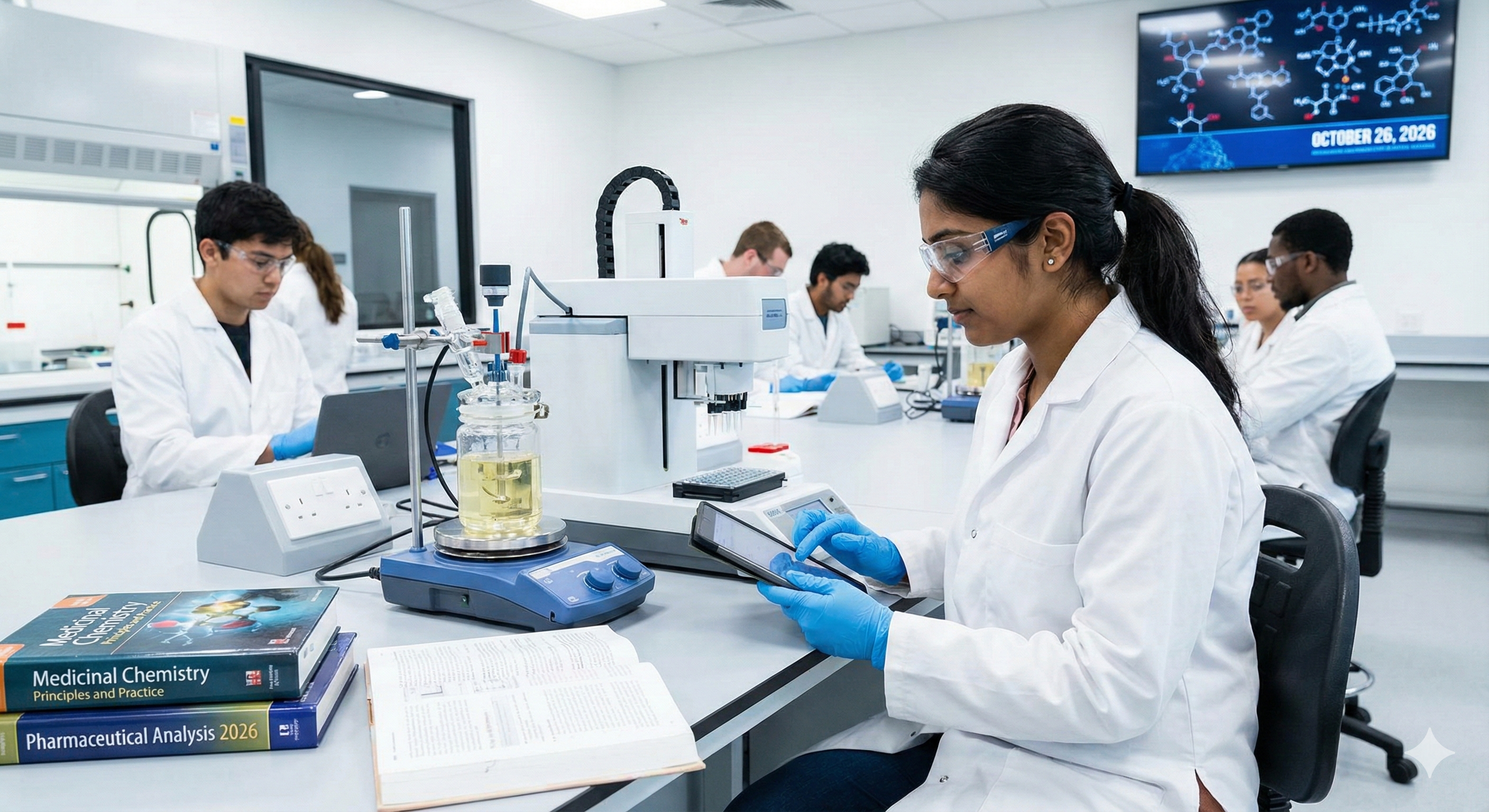
Choosing a B. Pharma college is one of the most critical decisions you will make, impacting your career trajectory in the dynamic field of pharmaceuticals. As we move closer to the 2026 academic session, the landscape of pharmaceutical education in India is evolving, demanding a strategic approach from aspirants.
This guide provides a meticulously researched, future-proof ranking of the top B. Pharma colleges in India, detailing everything from projected rankings and fee structures to crucial admission timelines and return on investment (ROI).
Table of Contents
Introduction: The Expanding Scope of Pharmacy in India
Pharmacy is no longer just about running a retail store. The Indian pharmaceutical industry is a global powerhouse, rapidly expanding into high-tech domains, making B. Pharma a gateway to a sophisticated and high-demand career.
Why B. Pharma is a Future-Proof Career Choice
The core demand for skilled pharmacy graduates is shifting towards specialized roles:
Understanding the Importance of College Ranking and Accreditation
When selecting a college, always look beyond generic claims. Rankings provide measurable quality indicators:
Navigating the 2026 Admission Cycle: What Students Must Prepare Now
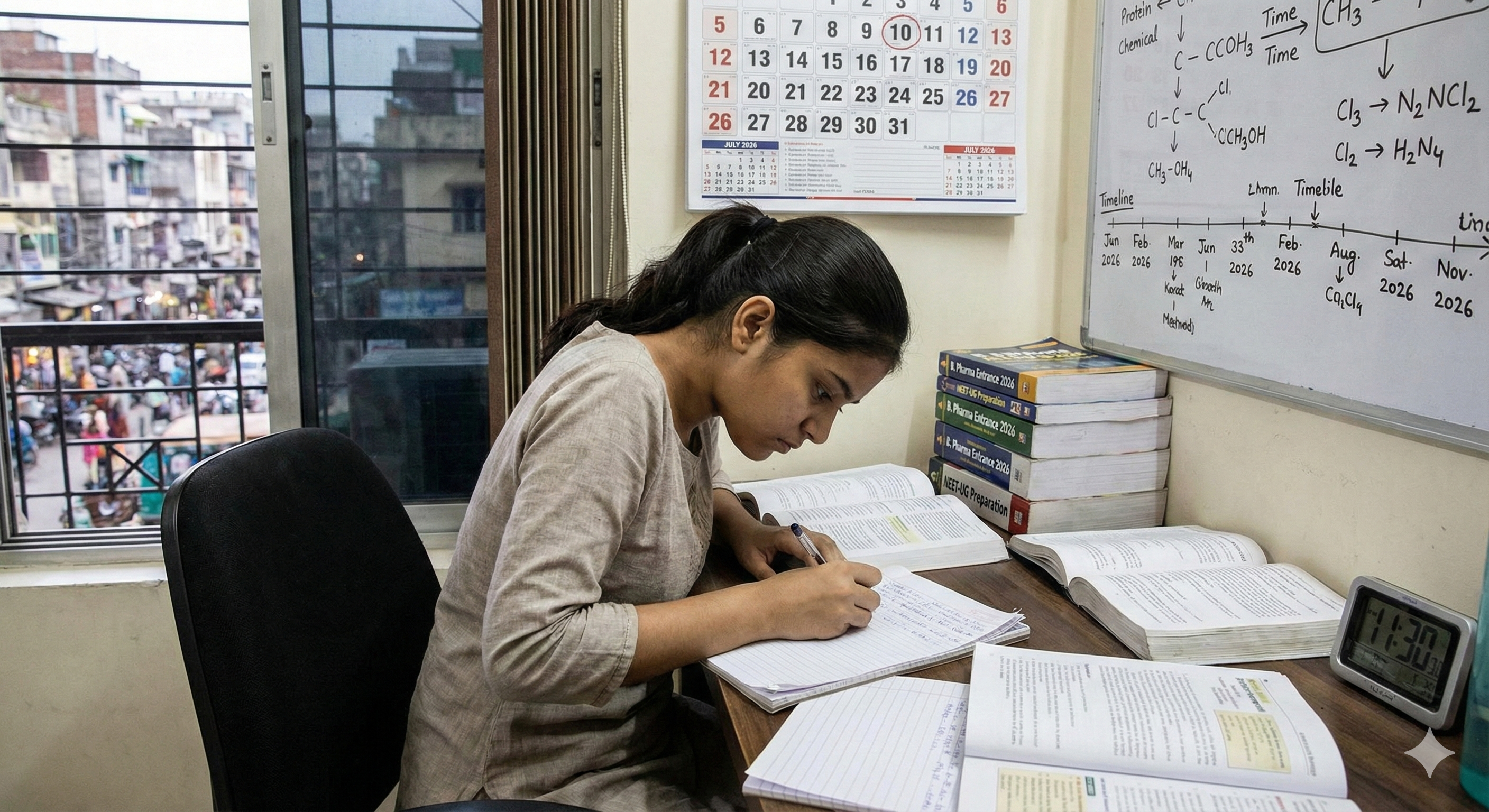
Preparation for the 2026 session begins early. Students must focus on securing strong marks in the 10+2 Science stream (Physics, Chemistry, and either Maths or Biology) and identifying the specific entrance exams required by their target institutions (GPAT, NEET, or state-level tests).
Methodology: How We Ranked the Top B. Pharma Colleges for 2026
Our ranking is based on a forward-looking analysis, combining historical performance with projected growth metrics and industrial relevance to provide the most reliable guide for the 2026 intake.
Key Ranking Parameters
The colleges were assessed based on three core pillars of academic excellence:
Weightage Given to NIRF Pharmacy Ranking
We gave a 40% weightage to the institution's projected performance in the 2026 NIRF ranking (analyzing trends in research funding and perception scores from 2023-2025 data). A consistently high NIRF score is a clear indicator of institutional quality and government backing.
The Importance of Industry Tie-ups and Placement Records
A high placement rate with respectable salary packages (the Median Placement Salary) is the strongest indicator of a college’s career focus. We prioritized institutions with robust MOUs (Memorandums of Understanding) with major Pharma companies like Sun Pharma, Cipla, and Dr. Reddy’s Labs for internships and final placements.
The Official Ranking: Top 15 B. Pharma Colleges in India 2026
Below is the definitive table of the projected top B. Pharma institutions, designed to help you compare cost, entry requirements, and career potential at a glance.
| Projected Rank (2026) | College Name | City/State | NIRF Rank (2025) | Est. Annual Tuition Fee (INR) | Key Entrance Exam Accepted | Median Placement Salary (LPA) | Accreditation Status |
|---|---|---|---|---|---|---|---|
| 1 | National Inst. of Pharmaceutical Education & Research (NIPER) | Mohali, Punjab | 1 | ₹75,000 – ₹1,20,000 | GPAT / JEE Advanced | 9.0 LPA | PCI Approved, Govt. Institute |
| 2 | Jamia Hamdard | New Delhi, Delhi | 2 | ₹1,80,000 – ₹2,20,000 | NEET / JEE Main / CUET | 7.5 LPA | PCI, NAAC A+ |
| 3 | Institute of Chemical Technology (ICT) | Mumbai, Maharashtra | 3 | ₹85,000 – ₹1,10,000 | MHT CET / JEE Main | 6.8 LPA | PCI, NBA Accredited |
| 4 | Panjab University (UIPS) | Chandigarh | 5 | ₹55,000 – ₹70,000 | PUCET / GPAT | 6.5 LPA | PCI, UGC Approved |
| 5 | Manipal College of Pharmaceutical Sciences (MCOPS) | Manipal, Karnataka | 7 | ₹3,20,000 – ₹3,80,000 | MET (Manipal Entrance Test) | 7.0 LPA | PCI, NAAC A+ |
| 6 | BITS Pilani | Pilani, Rajasthan | N/A (Engg Focused) | ₹4,50,000 – ₹5,50,000 | BITSAT | 9.5 LPA | PCI, UGC Approved |
| 7 | JSS College of Pharmacy | Ooty, Tamil Nadu | 8 | ₹2,50,000 – ₹3,00,000 | NEET / GPAT | 5.8 LPA | PCI, NBA Accredited |
| 8 | Amrita School of Pharmacy | Kochi, Kerala | 10 | ₹1,50,000 – ₹2,00,000 | AEEE / State Entrance | 5.5 LPA | PCI, NAAC A++ |
| 9 | Madras Medical College (MMC) | Chennai, Tamil Nadu | 12 | ₹15,000 – ₹30,000 | TN State Quota | 4.5 LPA | PCI, Govt. Institute |
| 10 | SVKM's NMIMS School of Pharmacy | Mumbai, Maharashtra | 14 | ₹3,50,000 – ₹4,00,000 | NPAT / State Level | 6.0 LPA | PCI, NBA Accredited |
| 11 | Banasthali Vidyapith | Jaipur, Rajasthan | 15 | ₹1,20,000 – ₹1,50,000 | Direct Admission / Entrance | 4.0 LPA | PCI, NAAC A+ |
| 12 | Poona College of Pharmacy (Bharati Vidyapeeth) | Pune, Maharashtra | 17 | ₹1,80,000 – ₹2,20,000 | MHT CET | 5.0 LPA | PCI, NBA Accredited |
| 13 | KL University College of Pharmacy | Guntur, Andhra Pradesh | 19 | ₹2,00,000 – ₹2,50,000 | KLUEE / EAMCET | 4.8 LPA | PCI, NAAC A++ |
| 14 | Maharaja Sayajirao University of Baroda | Vadodara, Gujarat | 21 | ₹30,000 – ₹50,000 | GUJCET | 4.2 LPA | PCI Approved, Govt. University |
| 15 | Dr. D. Y. Patil Institute of Pharmaceutical Sciences | Pune, Maharashtra | 23 | ₹2,50,000 – ₹3,00,000 | MHT CET | 4.5 LPA | PCI, NAAC A++ |
Spotlight 1: NIPER (National Institute of Pharmaceutical Education and Research)
NIPERs represent the gold standard in Indian pharmaceutical education, established by an Act of Parliament. While primarily known for M. Pharma, securing a spot in the integrated B.S./M.S. programs or the limited direct B. Pharma seats guarantees exposure to world-class research infrastructure and the highest placement packages.
Spotlight 2: Institute of Chemical Technology (ICT), Mumbai
ICT is a beacon of chemical engineering and technology. Their B. Pharma program benefits hugely from interdisciplinary collaboration, particularly in drug synthesis and formulation technology. Its location in India's financial capital provides unparalleled internship opportunities.
The Rise of Private Excellence: Institutions Breaking into the Top 10
Institutions like Manipal (MCOPS) and Jamia Hamdard consistently demonstrate their quality through massive investment in infrastructure, international collaborations, and highly competitive entrance procedures. These private institutes often boast median salaries comparable to or exceeding older public universities, proving that high tuition can lead to high ROI.
Admission Roadmap 2026: Eligibility and Entrance Exams
To successfully apply for the 2026 session, you must first confirm your eligibility and identify the correct entrance pathway.
Core Eligibility Criteria
For most institutions, the fundamental eligibility requirement remains:
Mandatory National Level Entrance Exams
While B. Pharma traditionally relies on state tests, the relevance of national exams is growing:
State-Level Entrance Exams
For state government colleges, securing a high rank in the respective state exam is paramount:
Crucial Application Timeline and Deadlines for the 2026 Session
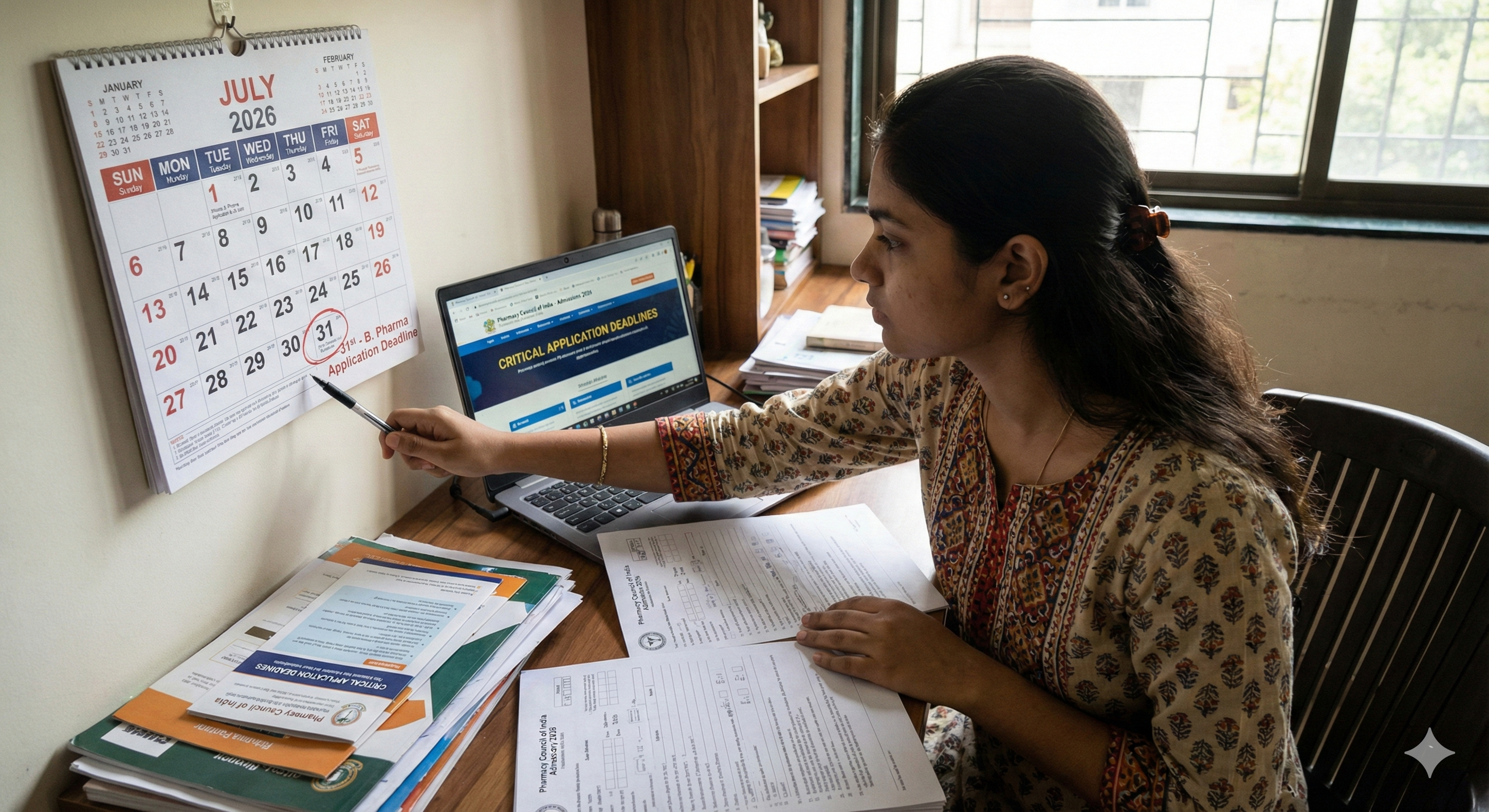
Generally, application windows open in late February/March, with exams scheduled between April and June. Students should track the release of application forms for their target exams (MHT CET, NEET, BITSAT) from November 2025 onwards to avoid missing deadlines.
Regional Breakdown: Top B. Pharma Institutions for Location Preferences
Location often dictates industrial exposure and cultural fit. Here is a brief look at institutions dominating key regional pharma hubs.
Best B. Pharma Colleges in South India
The South is a hotbed for pharma R&D and clinical trials (especially Hyderabad and Bangalore). Focus on:
Best B. Pharma Colleges in West India
Mumbai and Pune are the commercial and industrial heartlands for drug manufacturing.
Emerging Pharma Hubs in North India
Delhi NCR and Chandigarh offer strong government-backed institutions and proximity to regulatory centers.
Investment and Returns: Fees, Placement Statistics, and Scholarships
A B. Pharma degree is an investment. Understanding the cost vs. potential earnings (ROI) is essential for long-term financial planning.
Comparative Fee Structures: Government vs. Private Institutions
The financial difference is significant:
While private institutions are costly, their higher median placement packages can often justify the investment quickly.
Average Salary Packages Post-Graduation
Graduates entering the workforce directly after B. Pharma usually start in roles like Production Chemist, Quality Control Analyst, or Medical Representative. The median placement salary (as shown in the table) for top colleges hovers between 5.5 LPA and 7.5 LPA. Graduates who pursue M. Pharma (especially from NIPERs) see a significant jump, often securing packages above 9.0 LPA.
Financial Aid and Scholarship Opportunities for B. Pharma Students
Do not let high fees deter you. Many top colleges offer:
Final Considerations for Your 2026 B. Pharma Journey
The Importance of Campus Visits and Alumni Feedback
Ranking lists provide objective data, but the campus atmosphere is subjective. Try to visit the top 3-5 shortlisted colleges. Speak to current students or recent alumni to gain unfiltered insights into faculty dedication, hostel life, and industry events hosted by the college.
Choosing Specializations Wisely
While B. Pharma provides a broad foundation, the current industry demands specialization. Consider:
Next Steps: Preparing for GPAT/NEET Early
Whether you aim for direct B. Pharma entry or plan for M. Pharma later, early exposure to the GPAT/NEET syllabus strengthens your foundation in core subjects. High-quality study during your 10+2 years significantly eases the transition to demanding B. Pharma coursework.
💡 Key Takeaways for 2026 Aspirants
Comments
Leave a Comment
No comments yet. Be the first to comment!