
https://i.ibb.co/qLTHmsf4/Gemini-Generated-Image-aw9u8kaw9u8kaw9u.png
Planning your 2026 career? Discover the best paramedical courses (BSc, Diploma) after 12th, covering science and non-science streams. Get admission tips & salary guide
The Ultimate Guide to Paramedical Courses After 12th (Science & Arts) | 2026 Career Planning
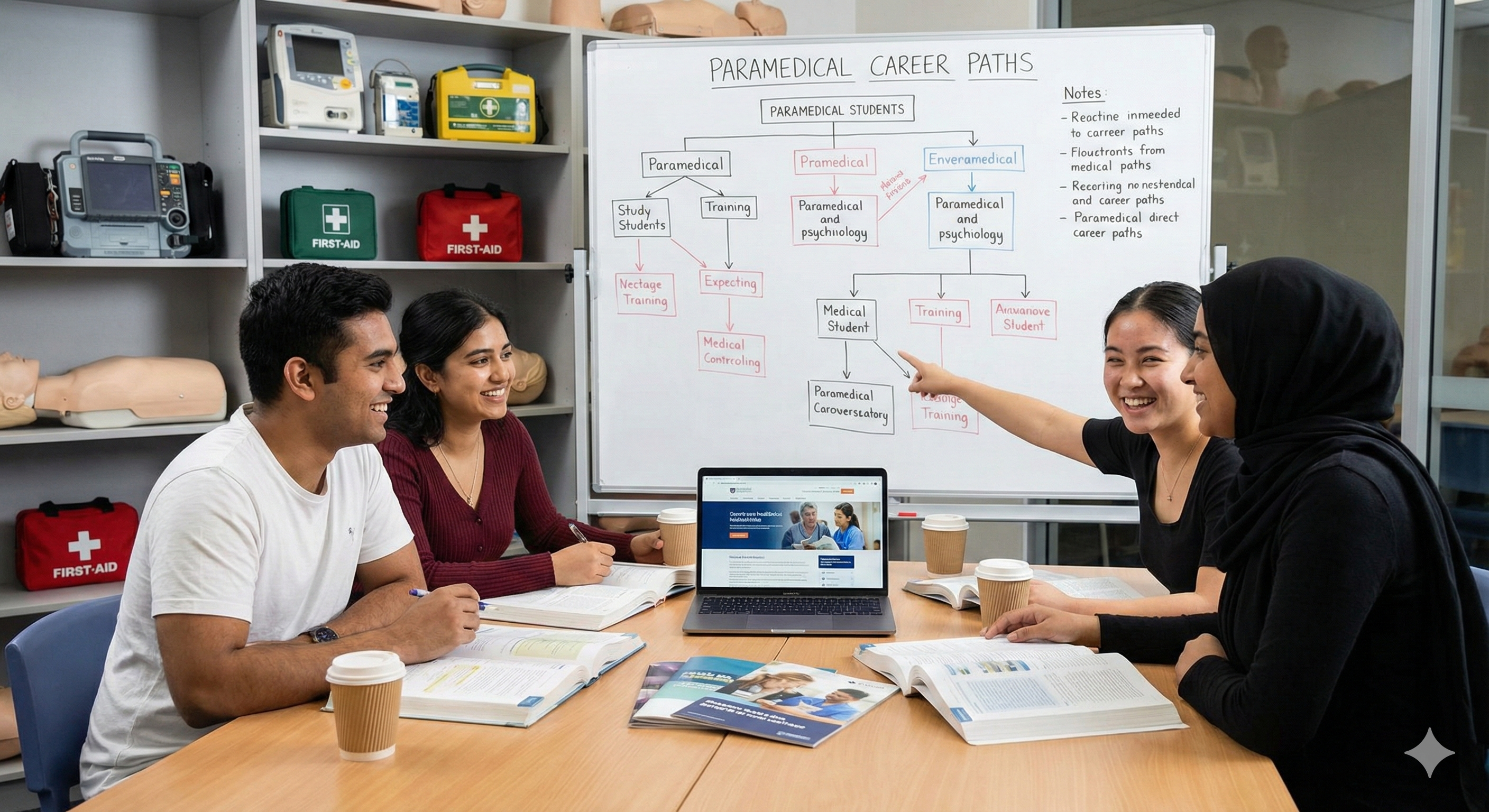
If you are currently studying in 11th or 12th grade and looking ahead to 2026 admission, you are at a crucial crossroads. While MBBS and Engineering capture a lot of attention, the Paramedical sector offers one of the most stable, high-demand, and rewarding career paths available right now.
Paramedical professionals are the backbone of the modern healthcare system—they are the technicians, therapists, and technologists who make accurate diagnosis and treatment possible. Planning early is essential to secure a spot in top colleges for the 2026 admission cycle. This expert guide breaks down every course, eligibility requirement, and salary expectation you need to know.
Key Takeaways for 2026 Applicants
Table of Contents
Introduction: Why Choose a Paramedical Career in 2026?
Defining the Paramedical Sector and Its Value
A paramedical professional works parallel to doctors and nurses. They operate sophisticated equipment, analyze critical diagnostic data, and manage emergency situations. Think of a physiotherapist helping a patient recover, or a lab technologist identifying a virus—these roles are non-negotiable for quality healthcare.
Market Outlook: Growth Projections and Demand
The global healthcare industry is expanding rapidly. The COVID-19 pandemic highlighted a severe shortage of skilled technical staff, creating massive new job openings, especially in rural and tier-2 cities. For those graduating around 2029-2030, the job market looks incredibly promising, offering job security unmatched by many other fields.
The Difference: Degree (B.Sc.) vs. Diploma/Certificate
Choosing the right level depends on your career goals and time commitment:
Top Degree-Level Paramedical Courses After 12th Science (PCB/PCMB)
These 3 to 4-year Bachelor of Science (B.Sc.) programs are the highest-value paramedical courses, leading to specialized, high-paying roles in hospitals, diagnostic centers, and research facilities.
B.Sc. in Medical Laboratory Technology (BMLT)
The core of diagnosis. BMLT professionals analyze samples (blood, urine, tissue) to help doctors determine the cause of disease. This is a consistently high-demand field.
B.Sc. in Radiography and Imaging Technology
Specialists in operating X-ray, CT scans, MRI, and ultrasound machines. They require a deep understanding of physics and radiation safety. Highly critical role in emergency and trauma care.
B.Sc. in Operation Theatre Technology (OTT)
These technologists prepare the operating room, manage surgical tools, monitor infection control, and assist the surgical team before, during, and after operations. Essential for any hospital performing surgeries.
Essential Eligibility Checklist (2026 Standards)
For almost all B.Sc. Paramedical courses:
Comparison of Top Paramedical Courses (2026 Focus)
| Course Name | Program Level | Duration | Mandatory Stream | Entry-Level Salary Range (INR/LPA) | Key Job Role |
|---|---|---|---|---|---|
| B.Sc. MLT | Degree | 3 Years | PCB | 3.0 L – 5.0 L | Lab Analyst, Phlebotomist |
| B.Sc. Radiography | Degree | 3 to 4 Years | PCB | 3.5 L – 5.5 L | Imaging Technologist, Sonographer |
| B.Sc. Optometry | Degree | 4 Years (incl. Internship) | PCB/PCM (Varies) | 3.0 L – 6.0 L | Optometrist, Vision Consultant |
| Diploma in Emergency Medical Technician (EMT) | Diploma | 1.5 to 2 Years | Science Preferred | 2.0 L – 3.5 L | Ambulance Paramedic, First Responder |
| Diploma in Hospital Management | Diploma | 1 to 2 Years | Any Stream | 2.5 L – 4.0 L | Admin Coordinator, Patient Relations Manager |
High-Demand Diploma and Certificate Paramedical Courses
These options are ideal if you want to gain practical skills quickly and start earning sooner, often within 18 months of completing 12th grade.
Diploma in Anesthesia Technology
Anesthesia technicians assist the anesthesiologist in patient monitoring, equipment setup, and ensuring safe drug administration during procedures. This role is highly valuable in surgical units.
Diploma in X-Ray Technology
A focused path for those interested specifically in basic diagnostic imaging (X-rays). Graduates often find roles quickly in small clinics and diagnostic centers.
Diploma in Emergency Medical Technician (EMT)
EMT training focuses on immediate, life-saving care in pre-hospital settings (ambulances, disaster sites). This career is dynamic, challenging, and essential for modern emergency services.
Alternative Paramedical Paths for Non-Science Students (Arts/Commerce)
Don't have PCB? No problem. The healthcare sector needs management, documentation, and administrative support just as much as technical staff. These courses open doors to high-growth, white-collar healthcare jobs.
Diploma in Hospital Administration and Management
This course teaches the business side of healthcare—managing hospital logistics, finance, staffing, and patient flow. Required Stream: Any Stream.
Health Information Management (HIM) Courses
HIM professionals handle patient records, ensuring data privacy, accuracy, and accessibility. They bridge the gap between clinical care and information technology. Required Stream: Any Stream (Basic computer skills preferred).
Geriatric Care and Therapy Assistance
With an aging population, the demand for professionals specializing in elderly care, physical therapy assistance, and rehabilitation support is exploding. Required Stream: Any Stream.
Strategic Admission Planning for the 2026 Cycle
For 2026 admission, competition will be stiff. You must treat your preparation like a marathon, starting well before your 12th board exams.
Key Entrance Examinations to Target
Most reputable B.Sc. paramedical programs admit students based on merit in 12th grade or through dedicated entrance tests:
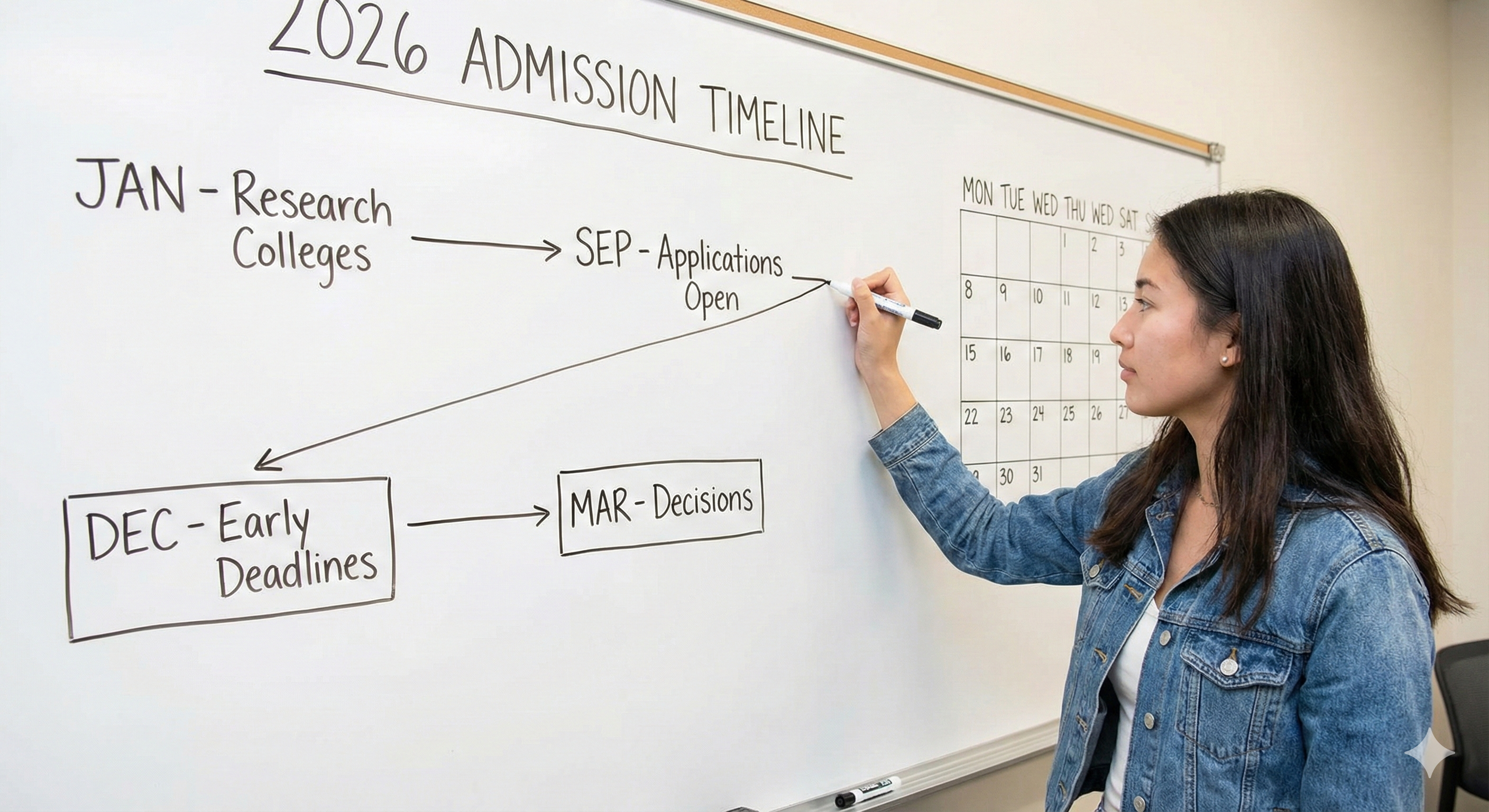
Timeline Management: A 2026 Admission Calendar
If you are starting 12th grade in mid-2025, here is your crucial timeline:
Ranking Top Paramedical Colleges in India
Reputation matters significantly in this field. Look for institutions associated with large teaching hospitals:
Career Scope, Salary Expectations, and Future Specialization
Average Starting Salaries for Different Roles
Starting salaries vary based on degree level, college reputation, and location (metro vs. small city). Generally, jobs in corporate hospitals or abroad pay significantly more.
With 3-5 years of experience, a specialist in fields like Cardiology or Neuro-Technology can easily command ₹7 LPA and above.
Global Opportunities and Migration Scope
Many paramedical fields, especially Radiography, Physiotherapy, and Optometry, are highly valued in developed countries (UK, Canada, Australia, Middle East). A strong Indian degree combined with work experience makes global migration pathways much easier than in many other professions.
Opportunities for Higher Education (M.Sc. and PhD options)
A B.Sc. degree is not the end. You can pursue M.Sc. in your specialization (e.g., M.Sc. in Medical Anatomy, M.Sc. in Medical Lab Technology) which leads to research roles, teaching positions, and high-level managerial posts.
Conclusion: Making the Right Choice for Your Future
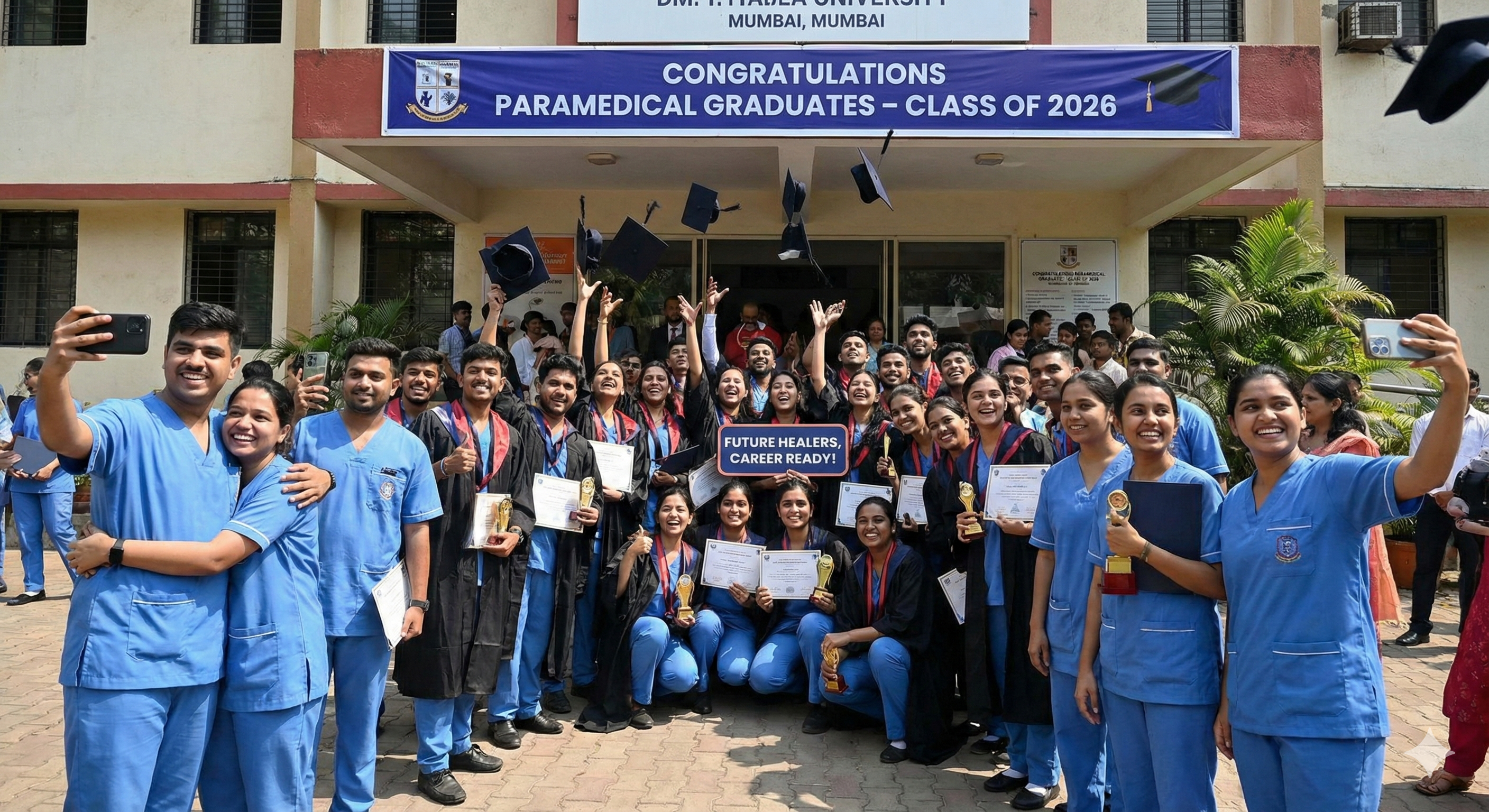
The paramedical field offers immense job satisfaction and financial stability. As you plan your 2026 admission, remember that success relies on choosing a course that genuinely interests you and preparing thoroughly for the competitive entrance process.
Final Checklist before Application
Call to Action
Ready to lock in your 2026 career plan? Don’t wait for the last minute. Click here to download our comprehensive 2026 Admission PDF Checklist and sign up for personalized counseling alerts!
Comments
Leave a Comment
No comments yet. Be the first to comment!