
Future-Proofing Your Degree: Best B.Sc. Colleges for 2026
Planning B.Sc. admission for 2026? Find out the top colleges based on predictive criteria: AI integration, research, and career ROI. Start your strategic planning now!
Future-Proofing Your Degree: The Best B.Sc. Colleges to Target for 2026 Admissions
If you are currently in Grade 10 or 11, the world of science education you will enter in 2026 will look dramatically different than it does today. Planning for a Bachelor of Science (B.Sc.) degree requires looking beyond today’s rankings. You need to choose an institution that is actively investing in the future—one that integrates cutting-edge technology, fosters interdisciplinary research, and guarantees a high return on investment (ROI) by the time you graduate around 2029-2030.
This guide offers a strategic, predictive analysis to help proactive students and parents identify the B.Sc. colleges that are best positioned for excellence three years from now.
Table of Contents
Introduction: Why Planning for 2026 Requires a Strategic Approach
When searching for the "best" college today, many look at traditional rankings or recent placement reports. However, for a 2026 intake, we must apply a future-focused lens.
The Evolving Landscape of Science Education (AI Integration, Interdisciplinary Focus)
By 2026, almost every scientific field—from Physics to Microbiology—will require proficiency in computational skills, data analysis, and AI application. The best colleges are already integrating these tools into their standard curriculum, not just offering them as optional minors.
Shifting Ranking Factors (Moving beyond NIRF/traditional metrics)
While government rankings are important for accreditation, they often lag behind industry reality. For future planning, we must prioritize metrics that predict sustainable success, such as institutional agility and industry alignment.
How This Guide Predicts Excellence for 2026
We analyze institutional investment trends, faculty hiring priorities, curriculum modernization speed, and long-term alumni success rates (5 years post-graduation) to identify institutions built for the future.
The Predictive Criteria: How We Define a "Best" B.Sc. College for 2026
To avoid choosing a college that will be outdated by 2029, focus on these four critical factors during your research:
Faculty Research Output and Industry Collaboration Score
A thriving research environment means your professors are actively engaging with the latest discoveries. Look for colleges whose faculty are publishing high-impact papers and, more importantly, are collaborating with major tech and biotech companies on real-world problems. This ensures your curriculum stays current.
Future Infrastructure Investment and Lab Modernization Plans
Are the labs running 10-year-old equipment, or are they being modernized with access to high-performance computing clusters, genomics sequencers, or advanced robotics? Institutions with clear, ongoing investment plans indicate commitment to student learning.

Program Flexibility and Interdisciplinary Minor Options
Rigid degree structures are a disadvantage. The future market demands T-shaped individuals: deep expertise in one area (e.g., Chemistry) combined with broad skills in another (e.g., Data Science or Ethics). Look for colleges that allow you to seamlessly combine majors and minors.
Measured Graduate Career Trajectory (5-Year Post-Graduation Data)
Forget the inflated "highest package" statistics. Focus on the median salary and, crucially, where alumni are 5 years out. Are they in management positions, pursuing top PhDs, or leading startups? This shows true long-term ROI.
🔑 Key Takeaways for 2026 Planning
Tier 1 Recommendations: The Top-Performing B.Sc. Institutions for 2026
While we avoid naming specific colleges that may shift in three years, we categorize the types of institutions you must target based on your desired career outcome:
The Research Powerhouses
These institutions are ideal if your goal is to pursue a Master’s or PhD abroad, or work in dedicated Research & Development (R&D) wings. They typically have massive government/private funding, dedicated research parks, and exceptional laboratory facilities. Look for those with high H-index scores (a metric of research productivity) and strong international academic exchange programs.
The Industry Connectors
If immediate job placement is your priority, target institutions known for mandatory, credited internships starting in the second year. These colleges often co-design their curriculum with industry giants (e.g., collaborating with pharmaceutical companies on Chemistry syllabi). They prioritize applied learning over purely theoretical knowledge.
The Holistic Universities
For students who value critical thinking, communication, and leadership alongside science, look for universities that mandate core courses in humanities, philosophy, or liberal arts. This creates well-rounded graduates capable of navigating complex managerial roles.
Specialized B.Sc. Programs: Adapting to Future Job Market Demands
B.Sc. in Data Science and Computational Biology: The Necessity of Coding Skills
Traditional B.Sc. programs (like Botany or Zoology) are becoming obsolete unless they are paired with computational methods. Computational Biology—using big data to solve complex biological problems—is exploding. Ensure your chosen institution offers certified tracks or strong electives in Python, R, and Machine Learning.
B.Sc. in Sustainable Science/Climate Tech: Explosive Growth Area
The global shift toward sustainable energy, climate mitigation, and circular economies guarantees high demand for graduates in environmental science, renewable energy physics, and material science. Colleges that house dedicated climate research centers are the top picks here.
B.Sc. (Honours) vs. B.Sc. (General): Which Path to Choose for 2026
For 2026, the Honours degree is the safer bet. Honours signifies deeper specialization, which is increasingly required for competitive postgraduate programs and specialized industry roles. A General B.Sc. only truly benefits students who plan to immediately transition into non-science professional programs (like management or law) afterward.
Your Strategic Roadmap to 2026 B.Sc. Admissions
Key Entrance Exams and Expected Cut-off Trends (2024 vs. 2026 projections)
By 2026, the Common University Entrance Test (CUET) is expected to be the dominant gateway for most central and major state universities. However, highly autonomous or specialized private institutions will retain their own rigorous entrance tests. Prepare for intensified competition, especially in flagship programs like Physics (Honours) and Computer Science.
The Importance of Non-Academic Credentials (Olympiads, Research Internships, Projects)
Merely scoring high marks won't suffice. Top colleges are looking for demonstrable interest. Participate in Olympiads, apply for summer research internships (even virtual ones), and complete independent projects (e.g., building a small weather station or developing a simple data model). These credentials demonstrate passion and initiative.
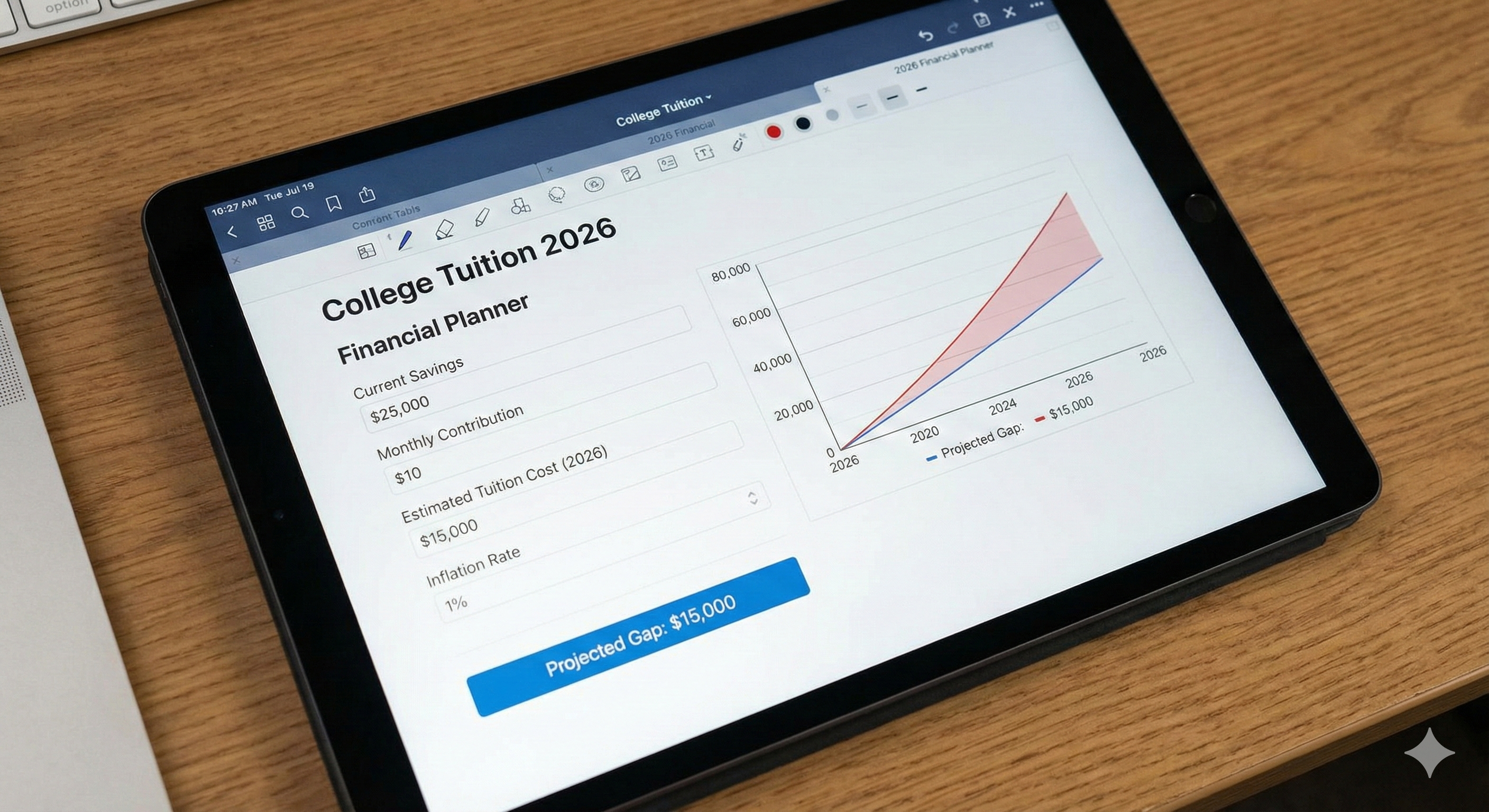
Financial Planning: Projecting 2026 Tuition and Accommodation Costs
Inflation in the education sector consistently outpaces general economic inflation. Start budgeting now. We project a 15-20% increase in average tuition fees for 2026 compared to 2023 rates, especially at private universities known for advanced infrastructure.
Strategic Planning Table for B.Sc. College Evaluation
Use these metrics when comparing your potential 2026 college choices:
| Data Point Field | Relevance for 2026 Planning | Why it Matters Now |
|---|---|---|
| Predicted 2026 Tier/Ranking | Based on predictive growth criteria (infrastructure, faculty hiring). | Indicates the college’s long-term upward trajectory. |
| Flagship B.Sc. Programs | Key areas of institutional excellence (e.g., Computational Physics, Biotechnology). | Where the college concentrates its best resources and funding. |
| Primary Entrance Exam Accepted | CUET, Institution-Specific Tests, Merit-Based. | Determines your focus area for the next 2-3 years. |
| Projected Annual Fee (2026 Estimate) | Critical for early financial planning (inflation adjusted). | Allows accurate budgeting for tuition and living expenses. |
| Faculty-to-Student Ratio | Indicator of personalized attention and academic quality. | A lower ratio (e.g., 1:15) ensures better mentoring. |
| Accreditation Status (NAAC Grade/UGC) | Ensuring institutional stability and recognition. | Protects the value of your degree. |
Key Application Timelines (When to start the process for a 2026 intake)
Conclusion: Making Your Final Choice
The Power of Campus Visits and Alumni Feedback
Nothing replaces a physical visit. Go beyond the marketing brochures. When you visit, ask students:
Connect with recent alumni (graduated 2020-2023) on professional networking sites to understand the real-world value of their degree.
Call to Action: Start Your Prep Today
Choosing the best B.Sc. college for 2026 is an active, strategic process, not a passive search. By prioritizing future-proof criteria like AI integration, research investment, and specialized programs, you ensure your degree remains highly valuable in the competitive job market of 2030.
Start building your non-academic profile today to secure your spot in a Tier 1 institution in 2026!
Comments
Leave a Comment
No comments yet. Be the first to comment!